Cartagena · All sections
01 / 13
01
Why Cartagena?
Walled city · Getsemaní · forts · islands · Caribbean food
Expect days around 31°C and warm nights near 24°C. January averages almost no rain, so the sun is strong: plan walks for the morning and late afternoon.
What makes it special
A walled colonial city
Founded in 1533, Cartagena’s port, fortresses and old town have been a UNESCO World Heritage Site since 1984, with some of the most extensive fortifications in South America.
Streets of colour
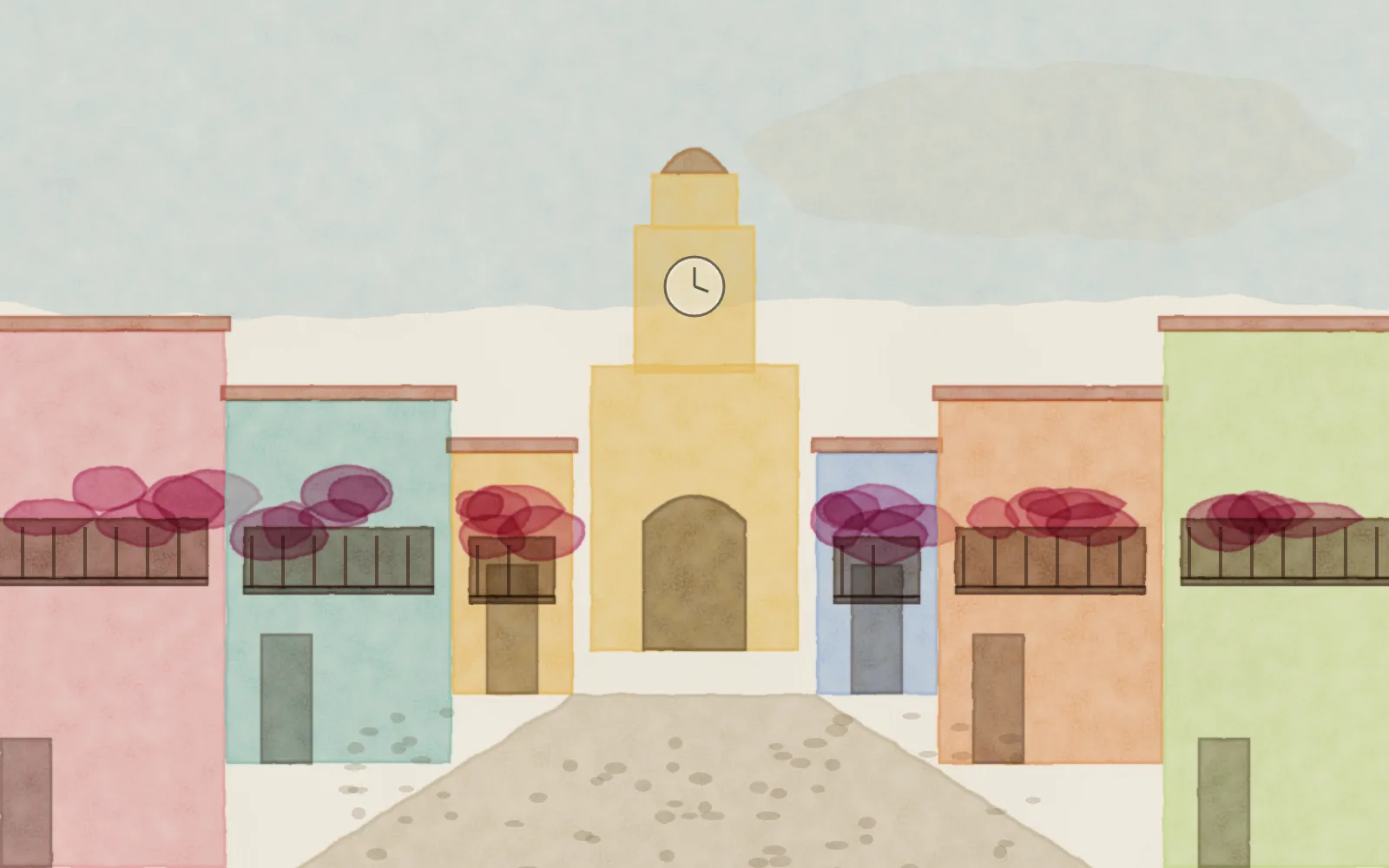
Balconies, carved doors and bougainvillea line the lanes of the Centro and San Diego. It is a city for slow walking.
Getsemaní
The old artisans’ quarter outside the walls, now full of murals, small restaurants and evening life around Plaza de la Trinidad.
A great fortress
The Castillo San Felipe de Barajas, on San Lázaro hill, held off a British fleet in 1741. You can still walk part of its tunnels.
Island days
The Rosario Islands national park, with coral reefs and clear water, is under an hour away by boat.
Caribbean cooking
Fried fish with coconut rice, ceviche, arepas and coconut sweets, and one of Latin America’s most praised restaurants.
A music festival
The Cartagena Festival de Música fills churches, plazas and the old theatre with classical music from 9 to 17 January 2027.
The dry, breezy season
January brings near-zero rainfall and calm seas for boat trips, the best weather of the year.
WundrPath
City guides, month by month. Every place checked, with halal food and prayer notes in every guide.
System
Day
Night
© 2026 WundrPath